
There’s little doubt that the “extras” offered by a multifamily property can entice renters from one property to another. However, those on-site amenities aren’t stagnant—they change, based on demand.
To clarify what’s going on with apartment features—as well as the 2026 outlook—Apartment ApartmentBuildings.com tapped with Jeff Lail, CEO of WithMe, for his insights and forecast.

Q. What was a main amenity standout trend in 2025?
A. One trend that surprised many people was the rapid decline in momentum for in-house amenities maintenance. At one point, the do-it-yourself management focus seemed cheaper than hiring a third party, especially in tight labor markets.
But, operating margins continued to tighten, and expenses remained stubbornly high. Additionally, owners and operators found that factoring in staff time, ongoing maintenance, supply price fluctuations, and the occasional service disruption meant that DIY setups were pricier and harder to manage consistently.
At the same time, new supply and softer rent growth in several regions provided renters with more choices, altering the competitive landscape. Operators found they needed to stand out without adding extra work for already stretched teams.
This led to a growing demand for scalable, dependable and financially predictable amenities. Instead of chasing what looked creative or eye-catching on paper, many teams focused on solutions that supported long-term operations and delivered value without increasing day-to-day complexity.
Q. Which amenities demonstrated the highest resident engagement?
A. What consistently drove engagement in 2025, and continues to do so this year, are amenities that support daily habits. Spaces designed for remote and hybrid work, well-maintained fitness centers, and premium self-serve coffee machines continue to see steady, repeat use because they meet ongoing needs rather than occasional wants.
On the other hand, features like golf simulators, theaters and one-off experiences may still draw some initial interest, but they rarely sustain regular use.
When an amenity is used 15 to 20 times a month, it stops feeling optional and becomes part of a resident’s routine. That level of habitual use is measurable, easier to justify, and more likely to influence satisfaction and renewal decisions over the long term. In practice, these routine-driven amenities have a far greater impact than features designed primarily to catch attention during a tour.
Q. Does this mean that wellness amenities, like yoga rooms or spin studios, are becoming obsolete?
A. It’s not a question of obsolescence so much as a focus on how space use is changing.
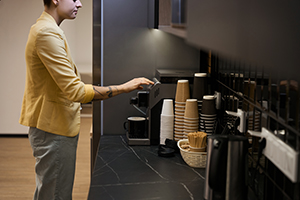
Wellness is not about checking boxes or impressing potential renters during a tour. It is about creating spaces and services that make everyday life better and are actually used. Today’s wellness concepts still focus on physical well-being. They also focus on developing and maintaining inviting environments that support how residents work, decompress and connect throughout the day.
Also, as remote and hybrid work remain common, residents want well-appointed spaces that foster focus without feeling overly formal or rigid. Thoughtfully designed coworking lounges, access to natural light, comfortable seating, and reliable connectivity contribute to a healthier workday experience.
Smaller details also matter, including lighting that works well for screens, quieter zones for calls, and nearby amenities like coffee or casual seating that allow residents to reset between meetings. Together, these elements reinforce the idea that wellness extends into how and where people work at home.
To summarize, wellness is becoming less about standalone programming and more about designing environments that feel supportive, intuitive, and easy to live in over time.
Q. How does, and will, AI integration impact amenities and living?
A. The most meaningful AI gains happened behind the scenes, where automation reduced manual work and helped stabilize day-to-day execution. Tools for inventory monitoring, demand forecasting and usage tracking made amenities more consistent, with fewer service interruptions and less strain for on-site teams. For residents, the benefit was not novelty. It was dependability.
AI is not expected to dramatically change how residents interact with amenities in 2026. It will play a quiet but crucial role in ensuring amenities function as intended. The most effective integrations will remain subtle, supporting consistency, cost control, and uptime without requiring constant oversight. When technology blends into the background and removes complexity, it tends to last.
Q. What about amenities for properties housing different age groups?
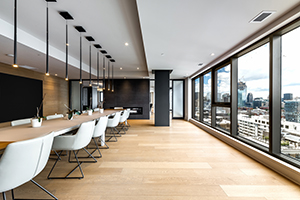
A. Creating separate amenities for different demographics living in the same property is unsustainable, expensive and time-consuming. Instead, owners and operators are focusing on spaces and services that support everyday life and feel relevant across age groups, whether that is a Gen Z renter working remotely, a family managing busy schedules, or a retiree looking for a calm place to spend their time.
For instance, a single space can serve many needs throughout the day. A shared lounge might support focused work in the morning, casual connection in the afternoon and quiet use in the evening. That kind of adaptability allows communities to meet a wide range of preferences without adding layers of complexity or cost.
Communities that design spaces to work well for everyone tend to see stronger engagement and more consistent use. Over time, this translates into residents who feel more comfortable, supported, and inclined to stay.
Q. What is the outlook for multifamily amenities in 2026?
A. The industry is moving away from features designed primarily to make an impression and toward amenities that function more like essential services. Operators are becoming more selective, choosing fewer amenities that deliver consistent value rather than a lengthy list of rarely used extras. Looking ahead, practical, data-informed and flexible amenities will continue to define the next phase of multifamily living.
So our advice to owner-operators is to slow down before investing and ask yourselves a few honest questions. Don’t choose amenities just because they photograph well or because they check a marketing box. Instead, think about how often residents will realistically use them, how much staff involvement they require to keep running and whether usage can be clearly measured.
A previous version of this story ran on ApartmentBuildings.com.
The post The Outlook for Apartment Amenities: Q&A with Jeff Lail of WithMe appeared first on Connect CRE.
Gillian Executive Search is a leader Multifamily Apartment Development, Financing, Design and Construction recruiting. www.gessearch.com